7 Common Pantry Mistakes That Waste Food and Money
A well-stocked pantry should make the week easier. Too often it does the opposite: three opened bags of rice, a jar at the back that nobody can date, and a shelf of tins bought for a recipe you have long since forgotten. None of that is a character flaw. It is usually a handful of small habits that were never quite set up properly in the first place.
The reassuring part is that most of them take minutes to fix. Here are the seven that cost the most, and what to do instead.
A bargain on a five-kilogram sack of flour feels like a win until you remember you bake twice a month and your only storage is a shelf above the radiator. Bulk buying saves money when three things line up: you use the item often, you can store it properly, and you will finish it while it is still good.
Before you commit, ask how long the last bag lasted. If the honest answer is “no idea”, buy the smaller size next time and write the date you open it on the packet. Treat the first purchase as research rather than a stock-up. There is no saving in buying twice as much of something you end up binning half of.
Rotation is the habit that separates a working pantry from a museum of forgotten food. When you unpack the shopping, new items go behind or underneath the older ones — never in front. It sounds fussy. It takes ten seconds.
The simplest version is a one-way rule: everything enters from the back and leaves from the front, whether that means tins on a shelf, pasta in a jar or bags in the freezer drawer. Keep a marker pen nearby and date the lid as it goes in. That single habit quietly solves most of the “when did I buy this?” problem, and it means nothing gets pushed to the back and abandoned.
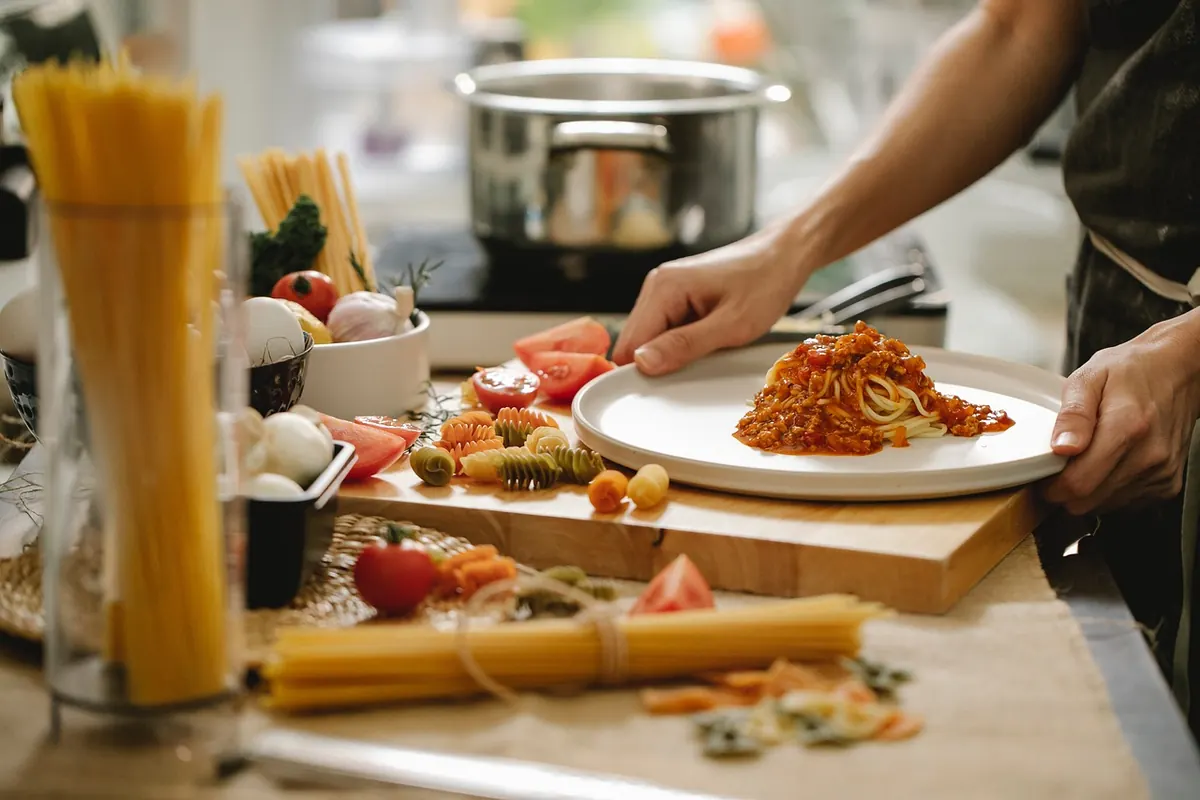
Most duplicate buying happens in the few seconds before something lands in your basket. You spot cumin, you cannot quite remember whether you have any, and you buy it anyway. Now you have two, and one of them will sit there going stale.
Build your list from the shelves rather than from a craving. A quick check of the pantry, fridge and freezer before you shop tells you what needs using first, and that becomes the backbone of the week’s meals. If writing it all down feels like homework, take two photographs on your phone and look at them in the shop. A list built from what you own beats a list built from what you fancy.
Paper sacks of flour slump and tear. Plastic bags of pasta spill across the shelf the moment you open them. Neither keeps much out — not moisture, not weevils, not the smell of whatever is next to them.
Move dry goods into airtight containers you can see through, and label them. If the original packet carries cooking instructions or a date you rely on, tuck the label inside the container or tape it to the base before you bin the rest. Clear jars and tubs do more than keep food fresh: you can see what you have without lifting a single lid, which is exactly what stops you buying a third bag of lentils.
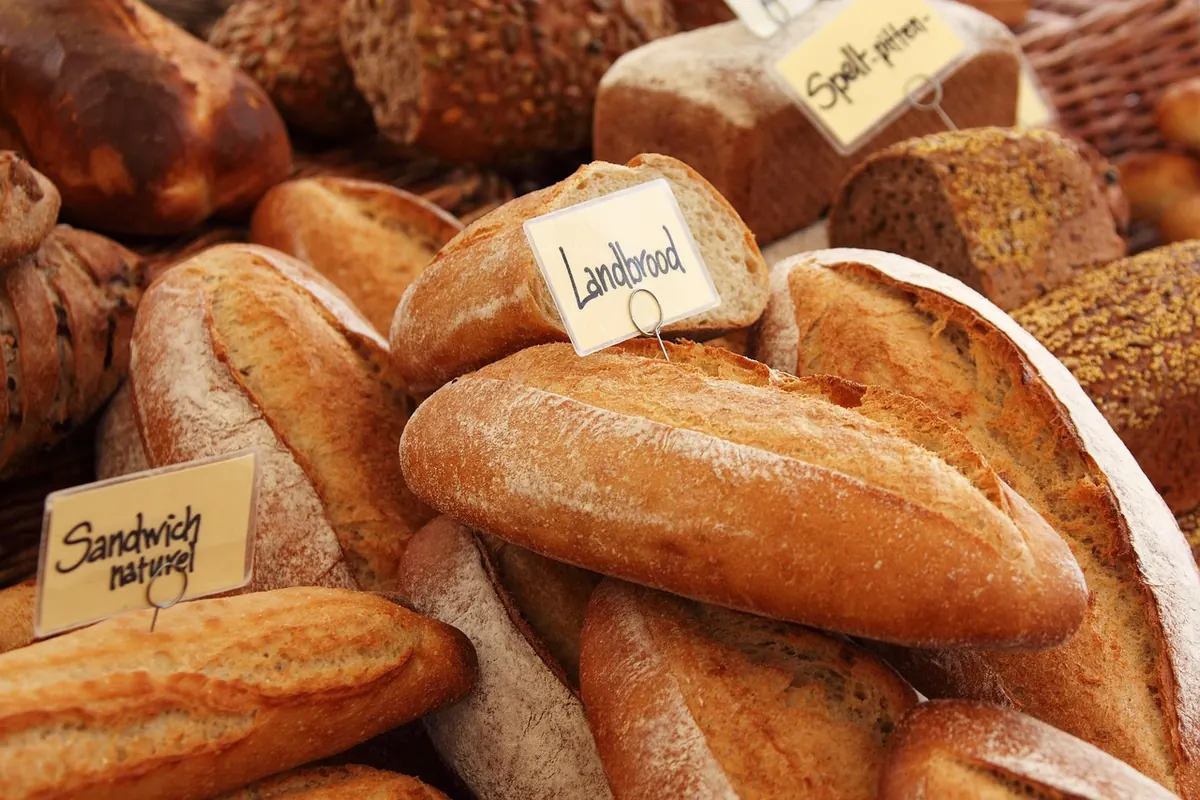
Where food lives matters as much as what you put it in. Onions and potatoes kept in the same bowl make each other go over faster, so give them separate, cool, dark, well-ventilated spots. Bread generally keeps better at room temperature than in the fridge, where it stales quickly. Strong-smelling items left open near spices will lend their aroma to everything else.
Worth separating:
None of this needs fancy equipment. A cardboard box under a counter for onions and a bowl in the cupboard for potatoes is enough.
“Use by” and “best before” do not mean the same thing, and treating them as identical leads to good food in the bin. Use by dates relate to safety and should be followed. Best before dates relate to quality: the item may be past its peak without being unsafe.
For dry goods and preserves, look, smell and taste a small amount before deciding. For anything carrying a use by date — meat, fish, dairy, cooked leftovers — the label is the line, and a quick sniff is not a substitute for it. If you are genuinely unsure about a specific item, check official food safety guidance rather than a forum thread. Genuine doubt is a reason to bin it; a date on a lid is often not.
Half a jar of pesto. A handful of dried apricots. The tail end of a bag of oats. Individually they look like nothing; together they are a decent chunk of your monthly food spend.
Give them a home. A “use me first” box on an eye-level shelf works better than any app, because you cannot avoid seeing it. Once a week, cook from it rather than around it — a soup, a traybake, fried rice, a frittata. And be realistic about the two spoons of something at the bottom of a jar: if it is not enough for a recipe, it is enough for tonight’s dinner, so use it and free the jar.
Pick one shelf, not the whole pantry. Empty it, wipe it down, and put everything back in date order with the oldest at the front. Note any duplicates on your shopping list as reminders, not as things to buy. Then set the rhythm:
Do it once and it is a chore. Do it weekly and it becomes the reason you skip a shop, cook something you would otherwise have thrown away, and stop buying lentils you already own.
Photo: photosforyou / Pixabay
Previous Post
The Monthly Pantry Maintenance Checklist for UK Homes
Next Post
Airtight Containers vs. Original Packaging: Which Keeps Food Fresher?