How to Store Flour, Rice and Pasta to Keep Them Pest-Free
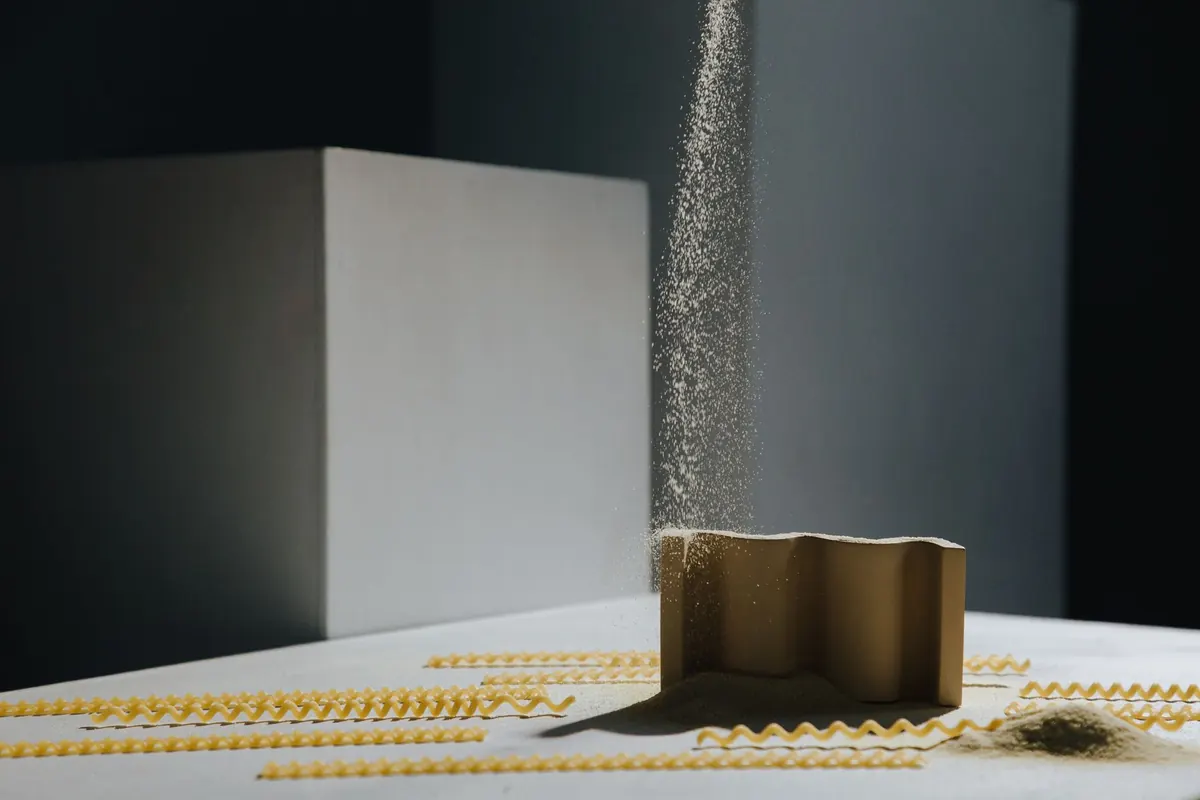
A bag of flour is a quiet thing. It sits on the shelf for weeks, and then one afternoon you open it and see fine grey threads across the surface, or a small moth lifts out of the cupboard and drifts towards the window.
Pantry pests are not a verdict on your housekeeping. They almost always arrive with the shopping: eggs and larvae already inside a bag of flour or rice, or moths that flew in from dried pet food or birdseed. What you control is whether they settle in, spread along the shelf and find the next bag. That comes down to three things — the container, the shelf, and the order in which you use things up.
The pests you are most likely to meet in a UK kitchen are the small moths that flutter near the ceiling, weevils in rice and grain, and beetles that turn up in the base of a bag. None of them need a dirty cupboard. They need a food source that is not sealed off.
Two things follow from that. A new bag of flour, rice, oats or nuts can already contain eggs when you bring it home, so buying from a shop with good turnover helps but guarantees nothing. And dried pet food, birdseed and the kitchen bin are just as attractive as your baking shelf. If the dog's biscuits live next to the pasta, the pests have a bridge between the two.
An airtight container is not about looking tidy. It is a physical barrier: if a moth cannot get in, it cannot lay eggs in your flour, and if something has already hatched inside, it cannot get out.
Whatever you choose, the seal is the whole point. A pretty jar with a loose wooden lid is a decoration, not a container.
One practical habit: keep the original packaging inside a larger airtight tub, or write the product name and best-before date on a strip of masking tape. You will want that information eventually.
Pests prefer warm, humid, undisturbed corners, and so does mould. Give them neither.
Glass jars on open shelves look lovely, but if that shelf catches direct sun, move them into a cupboard. Light and warmth shorten the life of anything containing oil, which includes wholemeal flour, brown rice and nuts.
This is the single most useful trick here. When a new bag of flour, rice, oats or nuts comes home, put it in the freezer for at least two days — a week does no harm — inside a sealed bag or tub. The cold kills eggs and larvae that came with it.
Let the bag come back to room temperature before you open it. Opening it straight from the freezer pulls condensation into the flour, and damp flour clumps and spoils. Then decant it into its airtight container as usual. Freezing does not make storage airtight, so treat it as a first step, not a replacement.
Oldest first, always. It sounds obvious, but it is the habit that most often slips, and a bag forgotten at the back of the shelf for a year is exactly where pests get established.
Photo: Ron Lach / Pexels
Previous Post
Meal Planning from Your Pantry: A 7-Day Template Using What You Have
Next Post
5 Pantry-Only Dinners for Busy Weeknights