How to Build a Zero-Waste Pantry on a Budget
A zero-waste pantry sounds like it needs a spare room, a chest freezer and a labelling habit bordering on obsession. It doesn't. Most of what keeps a pantry low-waste is repetition: the same jars, the same shopping list, the same small nudge to finish the lentils before opening the next bag. The harder part is doing it without spending more than you would in a supermarket. That takes a little arithmetic and a willingness to ignore the prettiest option on the shelf.
Before you order a single glass jar, empty one shelf and look at what is on it. Most kitchens hold three part-used bags of rice, two open jars of cumin and a tin of something bought for a recipe nobody has made since. Finish those first. Cook from the cupboard for a week, and write down what you actually reached for.
That list is your shopping list for the next month. It stops the most expensive zero-waste mistake there is: buying a beautiful new set of containers for a pantry you have not yet cleared, then filling them with duplicates of food already going stale at the back.
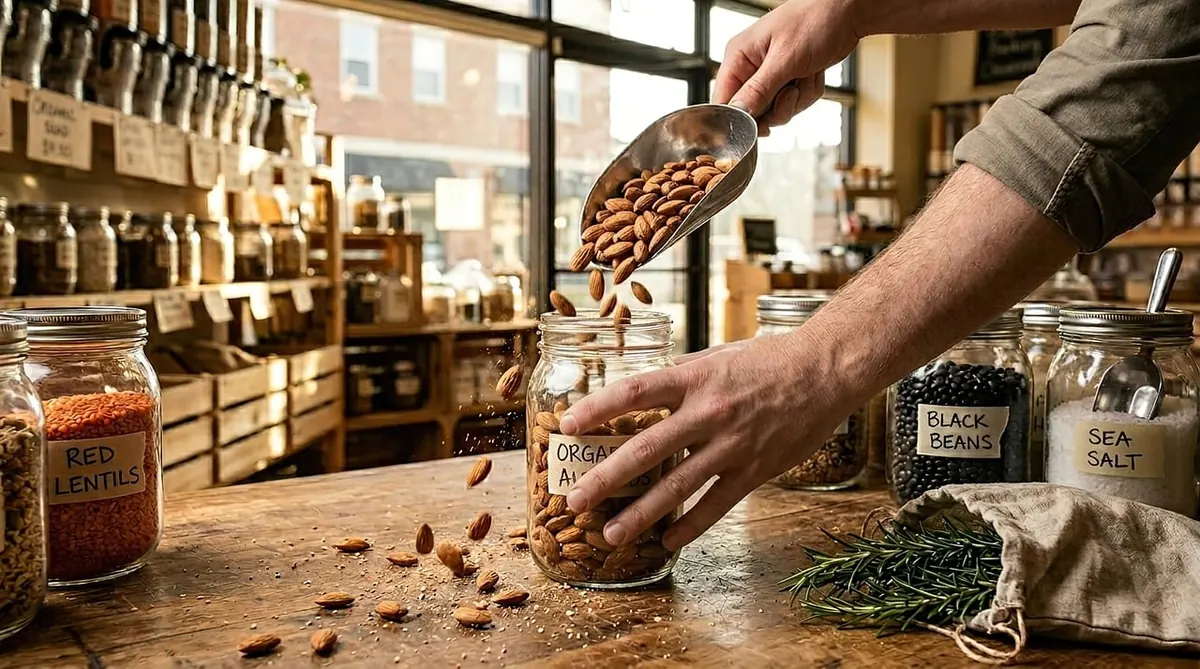
Refill shops are excellent for some things and poor value for others, and the difference is usually weight. Buying 60g of smoked paprika from a hopper costs less than a supermarket jar you will never finish. Buying four kilos of porridge oats one scoop at a time costs far more than a single large bag, and uses more packaging overall.
Flour, rice, oats, sugar, dried beans and anything else you get through by the kilo. Compare cost per 100g or per kilo rather than per packet, and remember that one big paper sack often contains less plastic than a dozen small refills.
Take your own containers and ask staff to weigh them empty, so you only pay for the food. If you have a serious allergy, ask how the bins and scoops are cleaned and shared; cross-contact is a real risk in any open-bin shop, so check before you buy and follow the advice you have been given about your own condition.
A 25kg sack of flour is not a bargain if half of it goes mouldy in a warm cupboard. Bulk buying saves money when you have three things: storage space, a realistic idea of how fast you use the item, and a way to keep it dry and pest-free.
If you want the savings without the risk, split a sack with a neighbour or a friend, or step up gradually from 1kg to 5kg and see whether you get through it. When flour or grains come home, many people freeze them for a few days before storing, which helps deal with any lurking pantry moth eggs. Decant into airtight containers, keep them out of direct light, and label each one with the date you opened it.
Buy the amount you will finish, not the amount that looks impressive on the shelf.
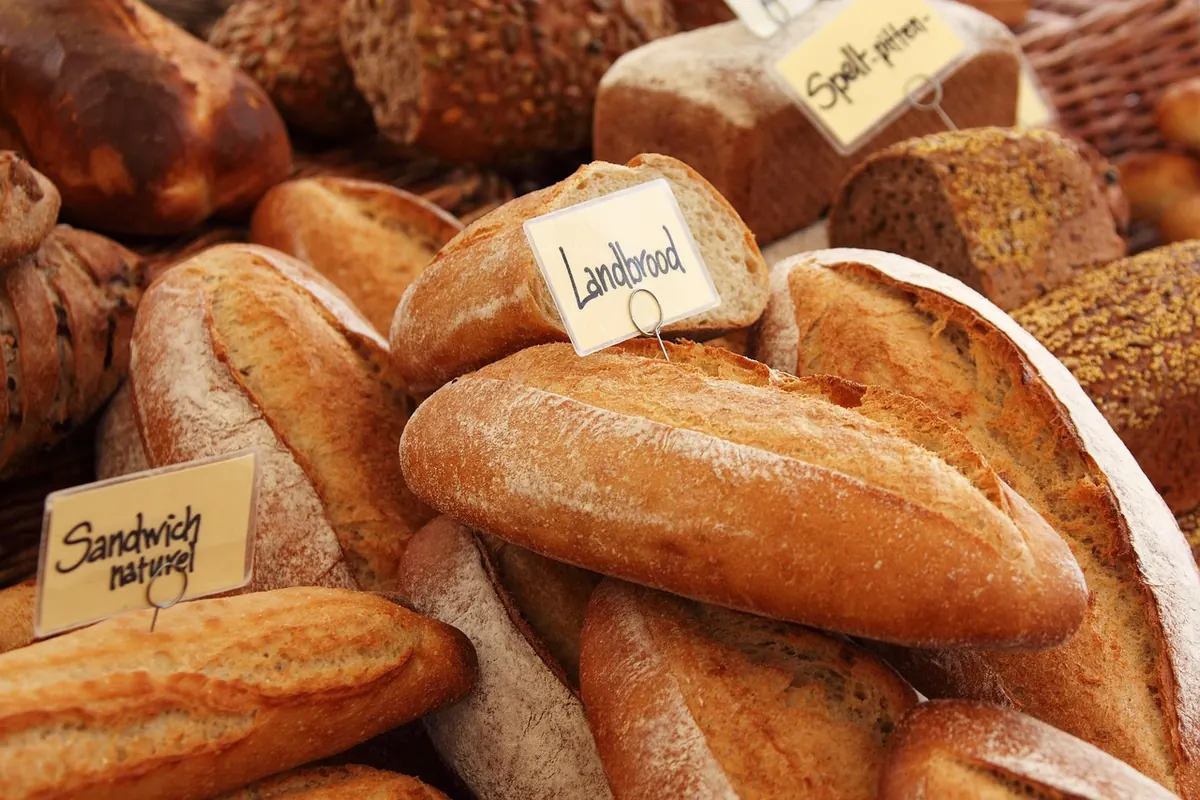
Market stalls, greengrocers and independent bakeries sell loose food by default, which is why they are often the cheapest zero-waste option available. Take a couple of cloth bags, or simply put loose vegetables in the basket and wash them at home. Bread will usually go unwrapped if you ask; a clean pillowcase or a bread bag keeps it fresh on the way back.
Buying whole vegetables rather than prepped ones cuts both packaging and cost. Carrot tops, cauliflower leaves, broccoli stalks and onion skins all have a use, whether in a stock pot, a stir-fry or the compost. If your area has a glass bottle deposit scheme for milk, that is one of the simplest swaps going: same product, reusable container, no plastic.
Two or three homemade basics do more for a pantry budget than any amount of clever shopping. Keep a bag in the freezer for vegetable trimmings and simmer them into stock when it fills up. Cool it quickly, keep it in the fridge for a few days at most, and freeze what you will not use.
Stale bread becomes breadcrumbs, croutons or a pudding. Oats, nuts and dried fruit make a serviceable granola for a fraction of the boxed price. For cleaning, a spray bottle of diluted white vinegar and a tub of bicarbonate of soda cover most kitchen surfaces, and both come in packaging you can refill. None of this needs to be a project; pick the two that fit how you actually cook.
A low-waste pantry fails at the storage stage far more often than at the shopping stage. Clear jars help, because you can see what you have. So does a strict first-in, first-out rule: new purchases go behind the old ones, every time.
Keep a shallow box or basket labelled for odds and ends, and plan a meal around it once a week. Freeze in portions rather than one large block, so you can take out what you need. And read the dates properly: a best-before date is about quality, but a use-by date is about safety, and it should not be overruled by a sniff and a hopeful look. If in doubt with a use-by item, bin it. Waste is annoying, food poisoning is worse.
Pick a single swap for the next month. Refill your spices, take bags to the market, or switch to loose milk in bottles. Run it long enough to become automatic, then add the next one. A pantry built this way is cheaper to run than the version assembled in one enthusiastic weekend, because you only pay for things you will genuinely use.
And if money is genuinely tight, let zero-waste come second. Buying the cheapest safe option available is not a failure. Trim packaging where you can, waste less food, and if debt is part of the picture, free and impartial advice from a service such as Citizens Advice is worth more than any jar.
Photo: haruudu / Pixabay
Previous Post
A British Store Cupboard: 15 UK Staples and How to Store Them
Next Post
Meal Planning from Your Pantry: A 7-Day Template Using What You Have