Pantry Management for Beginners: The 10 UK Staples to Start With
A well-run pantry has less to do with matching jars than with knowing what is in them. If you are starting with an empty cupboard, or one filled with half-used packets you never look at, begin small. Ten British staples, stored properly, will cover most weeknight cooking: a pasta bake, a chilli, porridge, a tray of scones, a decent cup of tea. Once those ten are working, the rest is easy.
New pantry keepers usually overbuy. A trolley full of specialist ingredients feels productive, but it often ends up as a shelf of things you never reach for. The useful question is not "what should a pantry contain?" but "what do I actually cook?"
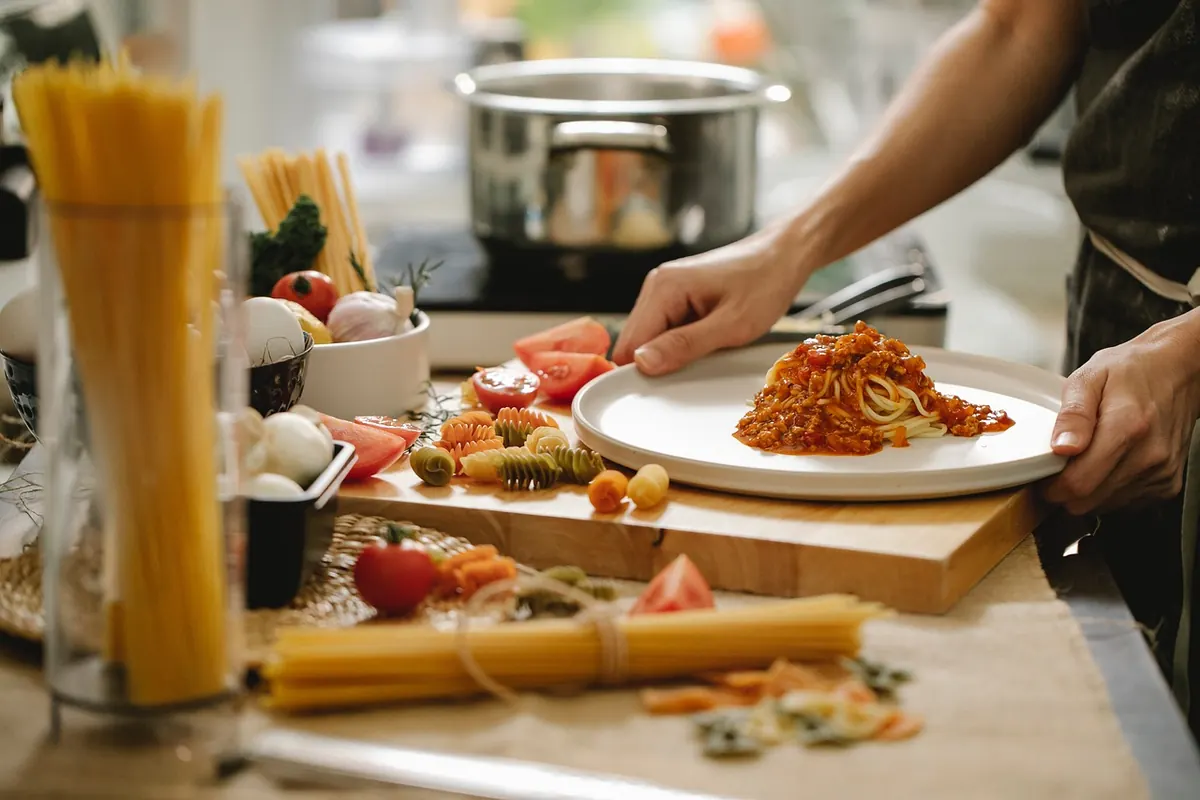
Write down the meals you make most weeks — spaghetti bolognese, a bean chilli, porridge, a roast on Sunday. The ingredients they share are your starting list. Buy those in sizes you will finish within a few months, and let the pantry grow out of your cooking rather than out of a list you found online.
Buy what you cook, store what you buy, and use what you store. That loop is the whole job.
These ten cover a surprising amount of ground. Quantities are up to you; the notes are about keeping them in good condition.
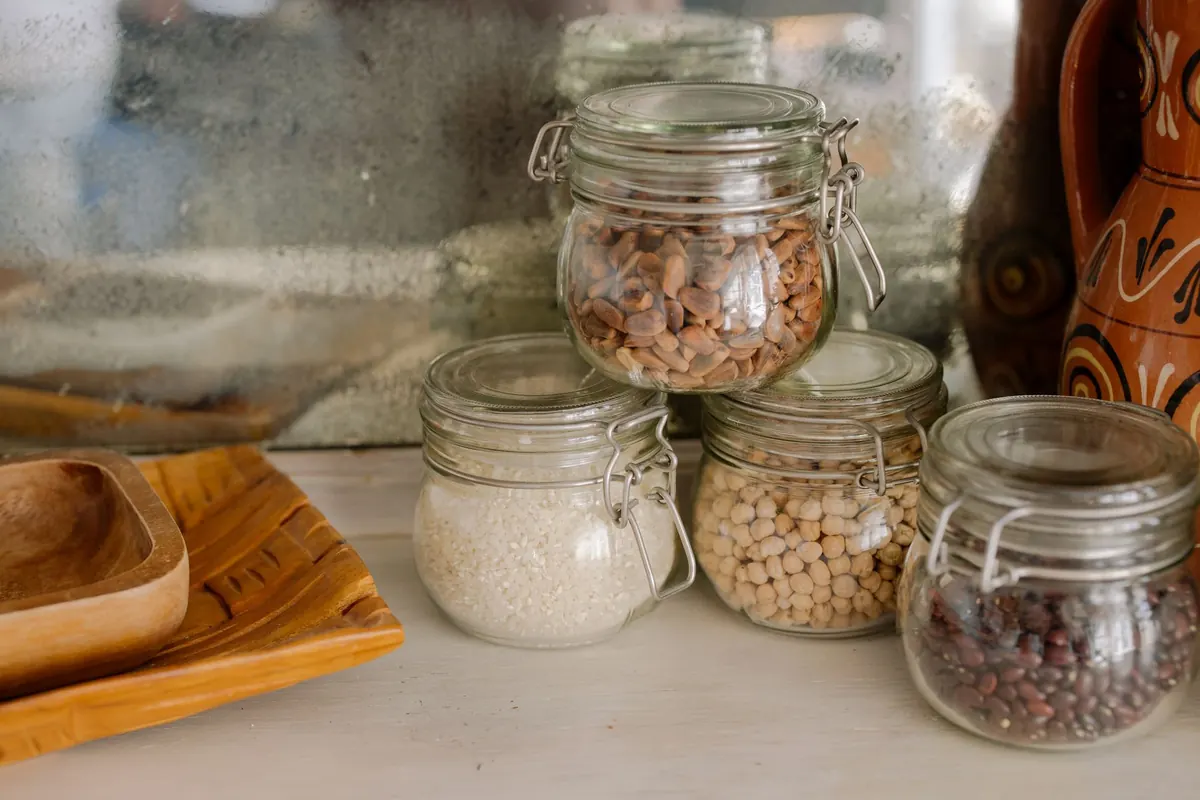
You do not need a full set of new jars. Airtight is the only rule that matters, and clip-top glass jars, screw-lid jars and plastic tubs with silicone seals all do the job. Clear containers are better than opaque ones because you can see what is left without opening anything.
Decant only what you will use in a reasonable time. If you tip flour into a jar, cut the best-before date off the bag and tape it to the lid, or write it on a label. That small habit stops a shelf of anonymous white powders building up.
Heat, light and damp are the three things that shorten shelf life. Keep dry goods away from the oven, the radiator, the dishwasher and the kettle. A high shelf above a boiling pan is the worst place for flour, oats and stock cubes.
Tins like cool and dry, and they should be used before any dents turn rusty. Once a tin is opened, transfer what is left to a lidded tub and put it in the fridge — a half tin of tomatoes left in the tin in the cupboard will not do you any favours.
New stock goes to the back, older stock comes to the front. It takes ten seconds and it prevents the quiet waste of buying a third bag of rice while the second one sits forgotten. Keep a "use me first" basket at eye level for open packets and anything close to its date.
A running list on the inside of the cupboard door, or a note on your phone, is enough. Add to it when you finish something rather than when you shop, so the list reflects what you genuinely use.
Choose three meals you cook regularly and list their ingredients. Buy only those, plus the ten staples above, and put them away the same day rather than leaving bags on the worktop. Wipe the shelf first, check the dates on anything you already own, and move the older items forward.
Then set a ten-minute slot once a week — Sunday evening works for most people — to look at what is open, what is nearly finished and what needs adding to the list. That is the loop: cook, use, replace, repeat. Within a month you will know your pantry well enough to cook dinner without a shopping trip, which is the point of having one at all.
Photo: cottonbro studio / Pexels
Previous Post
How to Audit Your Pantry in 30 Minutes: A Step-by-Step Guide
Next Post
The Monthly Pantry Maintenance Checklist for UK Homes