A British Store Cupboard: 15 UK Staples and How to Store Them
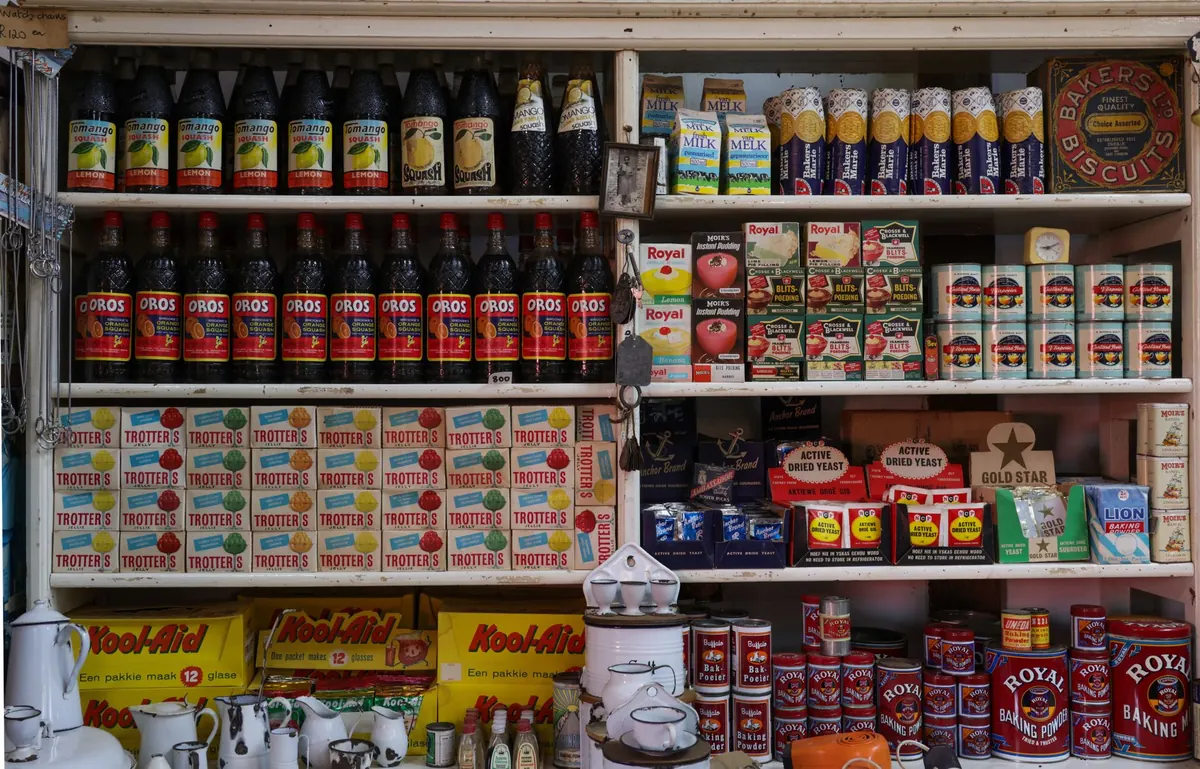
Every British kitchen has its own dialect of store cupboard. The tin of golden syrup with a permanent sticky ring beneath it. A tub of porridge oats with a scoop buried in it. The tea caddy, the jar of marmalade at the back of the fridge, the half-bag of pearl barley that only appears when soup is on the cards. Storage isn't about decanting everything into matching glass jars for a photograph. It comes down to four things: keep food dry, cool, dark and airtight, and keep anything strongly scented away from anything that absorbs smells. Get those right and a modest cupboard will outperform a fancy one. Here are fifteen staples worth a second look.
Porridge oats, pearl barley, plain flour and self-raising flour are all dry goods with the same enemies: moisture, heat, light and pantry moths. Decant each into a lidded tub or jar that holds a full bag, because half-empty paper bags flop open and spill. Don't throw the packaging away entirely, though. Cut out the use-by date or write it on a strip of masking tape on the tub.
Wholemeal and other whole-grain flours contain oils and go stale faster than white, so keep them in the fridge if you bake only occasionally. If you've ever opened a bag of flour and found it moving, freeze new bags for a couple of days before storing: it stops anything hatching out later. Pearl barley and oats should smell faintly sweet and nutty. A musty or soapy smell means the cupboard is too warm or too damp.
Granulated, caster and icing sugar don't spoil, but they do set like concrete if left open in a damp kitchen. Airtight jars keep them free-flowing; a small terracotta sugar disc or a piece of apple, replaced every few weeks, keeps soft brown sugar soft. Icing sugar is the fussiest of the lot, so sieve it before use if it has been sitting a while.
Golden syrup deserves its own small ceremony. Stand the tin on a saucer or in a shallow bowl so the drips land somewhere wipeable, warm the tin in a jug of hot water before pouring, and wipe the threads afterwards. Treacle and black treacle behave the same way. A little attention here saves ten minutes of scrubbing shelves later.
Tea takes on the flavour of everything around it, which is why the worst place for a caddy is next to the coffee, the spice rack or the steam from a boiling kettle. Buy an opaque tin with a tight-fitting lid rather than a clear jar, and keep it out of direct sunlight, which flattens the leaf over time.
Loose leaf and bags both keep well for several months in good conditions. Beyond that they don't become unsafe, just dull and dusty. If you drink a great deal of tea, buy in larger amounts and store the excess in a sealed tin in a cool cupboard, refilling a smaller caddy for daily use. Never store tea in the fridge: it will pick up every other smell in there.
Once a jar of marmalade, jam or chutney is opened, it belongs in the fridge. Always use a clean spoon, never a buttery knife, and wipe the rim before the lid goes back on. Marmalade with thick-cut peel and low-sugar preserves keep for less time than a traditional high-sugar jam, so note the date you opened it on the lid.
If you find furry mould on the surface, throw the whole jar out rather than scraping it off. What you can see is only part of it. The same goes for any jar that smells fermented or has a fizzy, alcoholic edge. Food poisoning is not worth the price of a replacement jar, and if you are ever in doubt about something you have already eaten, speak to a pharmacist or your GP.
Sultanas, currants, raisins, nuts, lentils, split peas and rice all keep well but not indefinitely. The trick is to use them within a sensible window and to notice when they change.
Tins like a cool, dry cupboard, off the floor and away from the oven. Rotate them so the oldest sit at the front, reject any that are dented, rusting or bulging, and remember that a use-by date is there for a reason. Once opened, decant the contents out of the tin into a bowl or plastic tub, refrigerate, and use within a few days.
Stock cubes, gravy granules and custard powder are moisture magnets. Keep them in a lidded jar away from the kettle, and always use a dry spoon or you'll end up with a solid block. Vinegar is happy in a dark cupboard; brown sauce, mustard and mayonnaise are better off in the fridge once opened. Baking powder quietly loses its lift after about six months open, so write the date on the tub and replace it rather than wondering why your scones are flat.
Set a reminder, or simply tie it to something you already do, such as paying a bill or changing the bed.
Do one shelf a month rather than all of them at once, and the cupboard stays knowable. That is the whole point: a store cupboard you can read at a glance is one you'll actually cook from.
Photo: Magda Ehlers / Pexels
Previous Post
Autumn Pantry Reset: Using Up Gluts of Apples, Squashes and Root Veg
Next Post
How to Build a Zero-Waste Pantry on a Budget