Autumn Pantry Reset: Using Up Gluts of Apples, Squashes and Root Veg
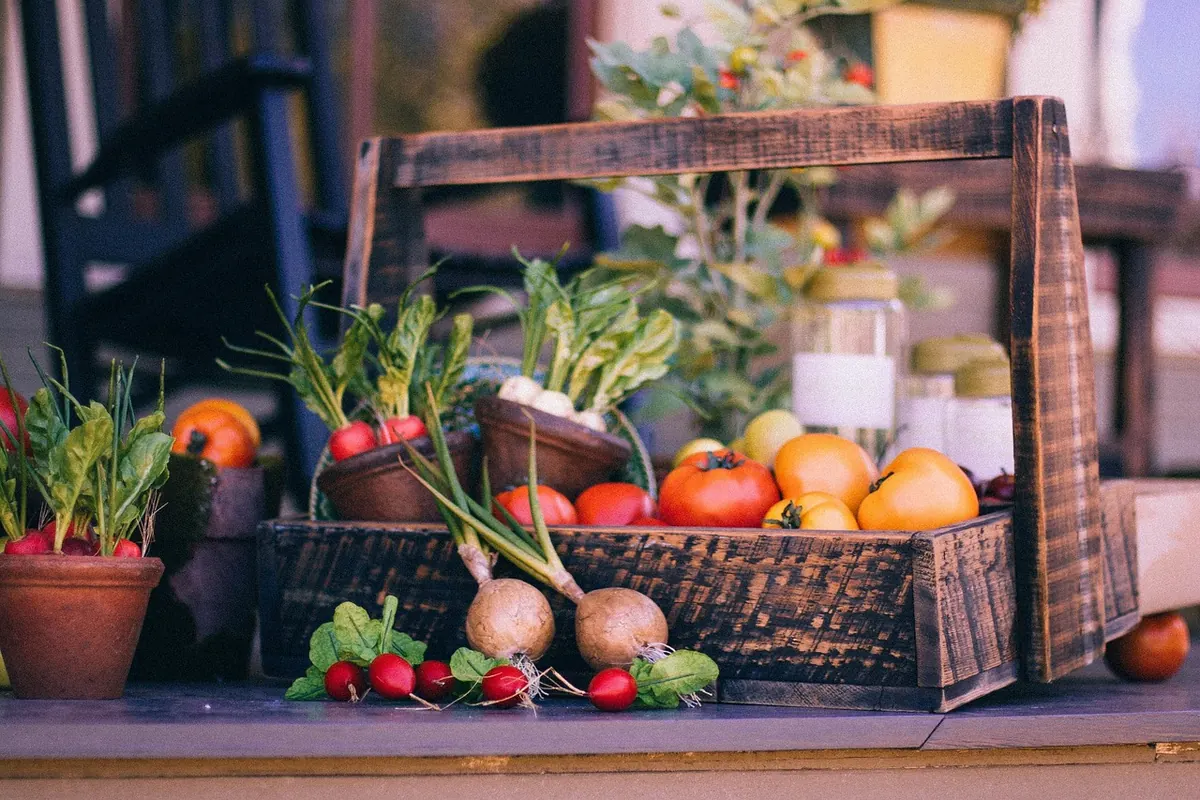
By the middle of October, the kitchen has quietly turned into a warehouse. There is a crate of apples by the back door, three squashes on the windowsill and a bag of carrots in the shed that nobody has looked at since the last trip to the market. Nothing is wrong yet. But a glut has a habit of turning from abundance into waste within a fortnight, and the culprits are usually the same: a bruised apple left at the bottom of the crate, a damp sack of beetroot, a squash that was never cured.
None of this calls for heroics. It calls for an hour of sorting, a sensible storage spot and a willingness to cook in batches rather than one carrot at a time.
Before anything goes into a box or a pan, put the whole haul on the table and divide it into three piles. It is the single most useful habit in autumn cooking.
The middle pile is the one people forget, and it is where most waste happens. You can store everything perfectly and still throw food away, simply because the eat-first pile sat in a bowl while you worked through the keepers. Deal with it first, every time.
Apples want cool, dark and slightly humid: a garage, an unheated spare room, a shed shelf, or the salad drawer of the fridge for small quantities. Lay them in single layers on trays or in cardboard boxes lined with newspaper, ideally not touching, and check them once a week. One softening apple releases ethylene that speeds up ripening in everything nearby, so lift it out before it takes its neighbours with it. For the same reason, keep apples well away from carrots, leafy greens and potatoes, all of which respond badly to the gas.
Windfalls and bruised fruit should be trimmed and cooked within a couple of days. Stewed apple freezes beautifully, and a big pan of apple sauce, lightly sweetened and spiced, will fill several bags that lie flat and stack in the freezer. Thin slices dried in a low oven with the door slightly ajar make apple rings that keep for weeks in a jar.
A squash that goes straight from the plot to a cold shed will rot from the inside out. Cure it first, for ten days to a fortnight, somewhere warm and dry — a sunny windowsill, a greenhouse bench, a shelf near a radiator — turning it once or twice until the skin hardens and the stalk dries. Then store it at around 10–15°C, dry and airy, on a shelf or in a slatted crate rather than on a concrete floor, and don't stack them. Whole and dry, many varieties will sit happily for months.
Once a squash is cut, the clock changes: wrap the cut face, refrigerate it and use it within a few days. If a whole one develops a soft patch, cut it away generously, cook the rest straight away and don't try to keep it. Roasted cubes freeze well — spread them on a tray, freeze, then tip into a bag.
Roots keep best unwashed. Brush off dry soil, twist or trim leafy tops down to a couple of centimetres (leaves keep pulling moisture out of carrots and beetroot), and let them dry for an hour before packing. Carrots, parsnips, beetroot and turnips will hold for months in boxes of barely damp sand or spent compost in a cool shed, layered so the roots don't touch. Paper sacks, crates lined with newspaper and perforated bags in the fridge all work for smaller amounts. Swede and celeriac are less fussy and will sit quite happily in a cool, dark corner.
Look in on your stores weekly. Every mouldy root left in the box passes it on to its neighbours. Anything going soft gets cooked or binned — no dithering.
An hour with a hot oven and a big pan will do more for your bin than a month of good intentions. Work through a few of these on a wet Sunday:
Apple with sage, pork and mustard. Squash with chilli, lime and coconut. Roast carrots with cumin and yoghurt. Beetroot with dill, horseradish or goat's cheese. A tray of roasted roots, a tin of chickpeas, a spoonful of harissa and a handful of herbs is dinner, and it uses up whatever is closest to giving up.
Chutneys, ferments and oil-preserved vegetables need tested recipes and proper acidity levels; don't improvise the ratios, and if you ever plan to sell what you make, check the current food hygiene requirements with your local council. If you are unsure whether something is safe to eat, it isn't worth the risk.
Mould is a separate judgement. On firm roots and hard squash you can cut away a generous margin and cook the rest. On soft fruit, cooked food and anything jammy, bin it. And when the boxes are still full in November, give some away — neighbours, colleagues, a local community fridge or a food-sharing group will usually take a bag of apples gladly.
Fifteen minutes at the same time each week is enough. Open the boxes and check the apples and roots. Move anything softening to the counter, with a note on the fridge door listing what needs eating, so everyone in the house can see it. Then cook one thing from that list — one pan, one tray, one jar — and put it in the freezer, the fridge or a friend's hands.
Nothing clever, nothing complicated. Do it weekly and the crate by the back door becomes dinner instead of compost.
Previous Post
Airtight Containers vs. Original Packaging: Which Keeps Food Fresher?
Next Post
A British Store Cupboard: 15 UK Staples and How to Store Them